

The background of the current increase in shipping costs
There are many reasons for the rise in shipping prices, including geopolitical factors, changes in supply and demand, and rising transportation costs.
(1) Wars and regional armed conflicts
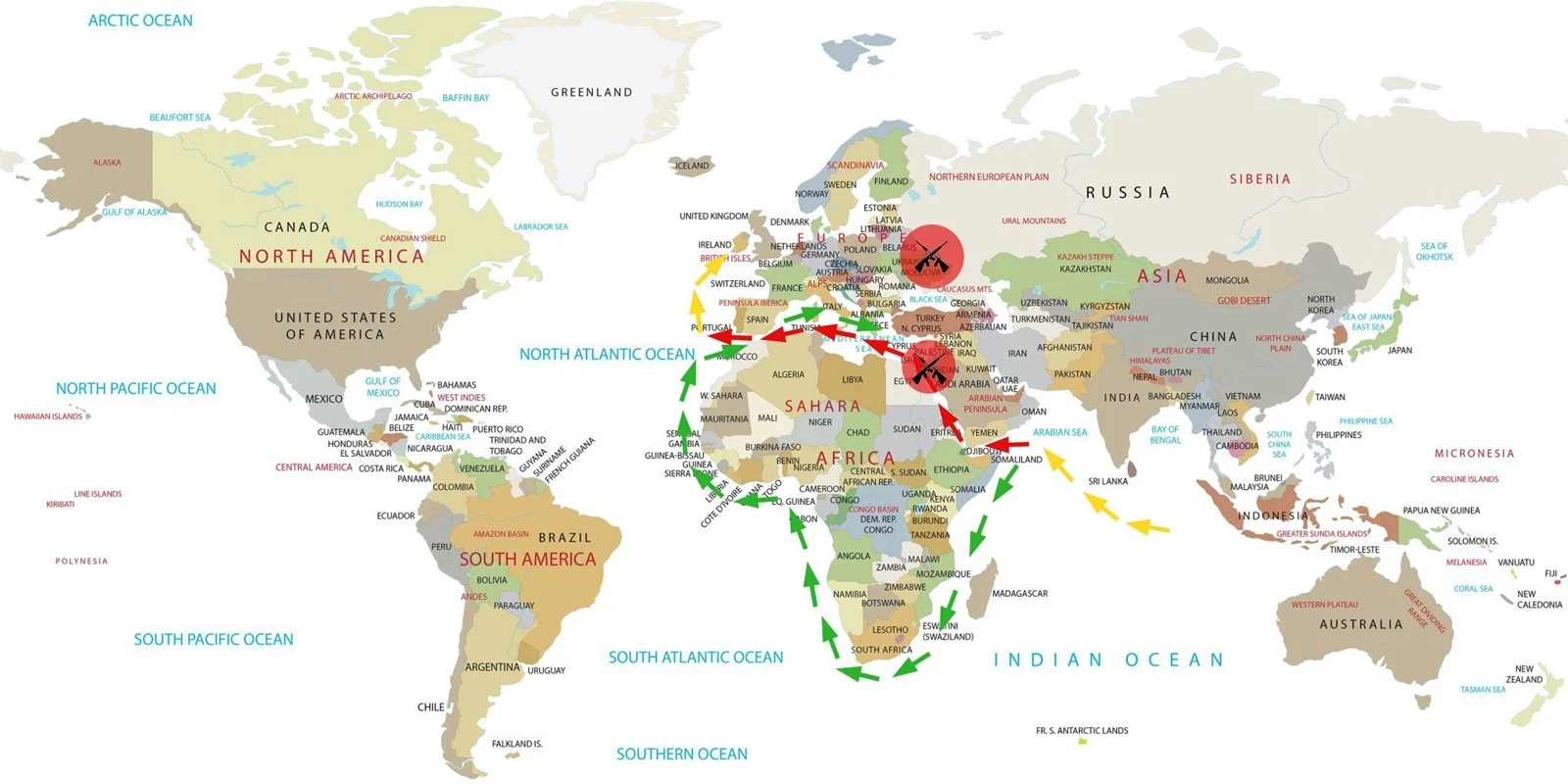
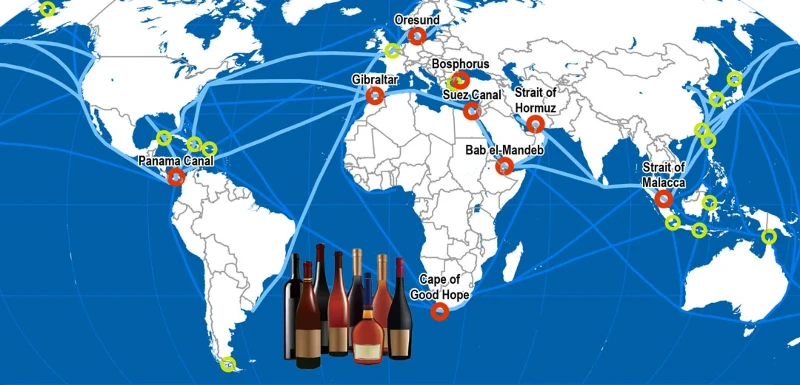
The situation in the Red Sea disrupts Asia-Europe routes: According to reports, the world's major shipping companies have announced the suspension of Red Sea routes, and the capacity of the Suez Canal has been affected. Due to the crisis in the Red Sea, freighters had to reroute around the Cape of Good Hope, resulting in a 2-3 times increase in freight rates on European routes.
The Russia-Ukraine conflict and the tension in the Middle East have intensified the impact on key shipping routes and led to economic turmoil around the world, and the Russia-Ukraine conflict has also intensified the global confrontation, resulting in the "pan-weaponization" of trade and finance, and the most intense sanctions and counter-sanctions in the history of the world.
(2) Global economic recovery
The US economy continues to expand: The US economy may be growing slower than it will in 2023, but it is still above potential growth. Consumption and government spending are important drivers of growth, and domestic private investment is starting to play a leading role.
Two-speed recovery in Europe: Eurozone composite PMI picks up on the back of recovery in services activity. The southern European economies outperformed the core countries, forming a two-speed recovery pattern. The ECB is expected to cut interest rates in June to support a recovery in economic activity in the second half of the year.
Two-speed recovery in Europe: Eurozone composite PMI picks up on the back of recovery in services activity. The southern European economies outperformed the core countries, forming a two-speed recovery pattern. The ECB is expected to cut interest rates in June to support a recovery in economic activity in the second half of the year.
(3) Supply chain recovery and supply delay
During the pandemic, some shipping companies faced financial pressure due to shrinking global trade and reduced shipping demand, leading to reduced capacity. The outbreak has caused supply chain disruptions and uncertainty in transportation demand, and shipping companies have made capacity adjustments in order to adapt to market changes, including reducing capacity. Some shipping companies have improved their competitiveness during the pandemic by consolidating resources and reducing costs, which may involve downsizing or optimizing fleet structure.
These measures are the strategies adopted by shipping companies to meet the challenges posed by the epidemic and maintain financial stability and business sustainability. However, as the epidemic has eased and economic activity has gradually resumed, shipping companies have not been timely enough to readjust their size and operational strategies in line with changes in the actual needs of the market.
(4) Rising energy prices
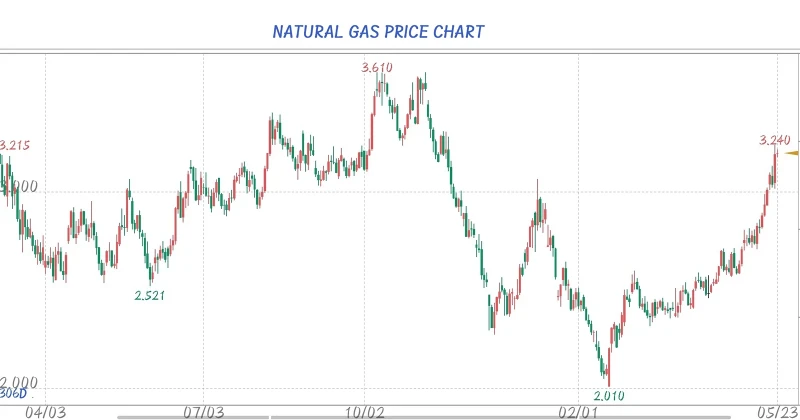
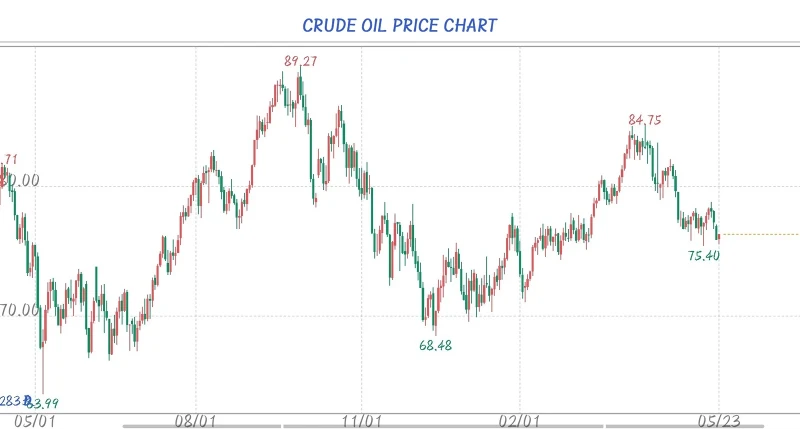
The conflict between Russia and Ukraine, an important energy supplier to Europe, has raised concerns that the conflict could lead to disruptions in energy supplies, especially natural gas supplies. The Red Sea is an important international transport route for goods and energy. The crisis in the Red Sea has led to poor traffic in the waters, disrupted global economic and trade cooperation, and affected energy transportation and supply chains. Geopolitical uncertainty has increased market concerns about future energy supplies, leading energy traders and consumers to expect tight future supplies, thus pushing up current prices; Changes in transport routes, such as the Red Sea round the Cape of Good Hope, increase transport costs and time, and these extra costs are passed on to energy prices; The Russia-Ukraine conflict and the Red Sea crisis have exacerbated the instability and inflationary pressures in the global economy, and the price of energy, as a key industrial input, is affected by the overall economic situation.
(5) Panic speculation
Shipping companies such as Hapag-Lloyd, CMA Marine, COSCO Shipping, etc., have successively increased freight rates, which has led to the actual market price leading to more intense speculation; In addition, the shortage of containers in some areas has led to the situation of "one box is difficult to obtain", which has pushed up the freight rate and another fire for the market speculation sentiment.
Analysis of the dependence of the glassware and wine industry on shipping
(1) The dependence of the glassware industry on shipping
- Sea transport provides a cost-effective means of transporting glassware over long distances, especially for bulk goods and international trade.
- The international market expansion of the glassware industry is often dependent on sea transport because of its ability to safely and economically transport products to customers around the world.
(2) Dependence of the wine industry on shipping:
-
In the wine industry, especially beer and wine, the sales channels of its finished wine include the international market, and sea transportation has become an important bridge connecting the production place and the international market.
- For the wine industry, shipping is not only used for the export of finished products, but also involves the import of raw materials and production equipment, such as wine raw materials, oak barrels, etc.
- International cooperation and exchanges in the wine industry also need to rely on sea transportation, such as technical exchanges, sample exchanges, etc.
Both industries rely on shipping to reduce logistics costs, expand market reach, and maintain supply chain stability. As a result, they are also exposed to the risk of fluctuating shipping costs and uncertain shipping times.
The challenges facing the glassware industry
Analysis of the glassware industry's dependence on shipping
- China: As one of the world's largest glassware producers and exporters, China's glassware exports may be more than billions of dollars in size; European Union countries: The exports of the European Group of countries (EU) may be between billions and tens of billions of dollars, including Germany, France, Italy, etc.; United States: The United States is a significant producer and consumer of glassware, with exports likely to be in the billions to tens of billions of dollars.
- Source of raw materials: The production of glass products usually requires a large number of raw materials, such as glass sand, sodium carbonate, lime, etc. These raw materials need to be transported from all over the world to the manufacturing plant, and these raw materials mainly rely on sea transport, resulting in a relatively high dependence on sea transport in the glassware industry.
- The distance between the production place and the consumption place: under the influence of the global division of labor, the distance between the production place of glass products and the main consumer market is far, then sea transport is the most economical and effective mode of transport.
- Market share and degree of globalization: If a glassware company has a large market share and its products are sold all over the world, sea transportation may be an essential mode of transportation.
- Transportation cost and stability: The cost of shipping is usually lower, but the transportation time is longer, and it is affected by factors such as seasons and weather. If the cost of shipping is stable and manageable, then the glassware industry may be more inclined to rely on shipping.
The impact of rising sea freight on costs and profits
- The glassware industry relies on sea transport for international trade, and the rise in sea freight directly increases transportation costs. Since glassware is a commodity with large weight and volume, it is highly sensitive to transportation costs, so the cost pressure of rising freight costs is particularly significant for the entire industry.
- Increased transportation costs may lead to the compression of corporate profits in the glassware industry. Companies need to absorb these costs internally or pass them on to consumers, which may affect the competitiveness of their products in the market.
- The increase in sea freight may also be accompanied by tight shipping space and a shortage of containers, resulting in shipment delays. Shipment delay not only affects the capital turnover of enterprises, but also may lead to the extension of delivery time, affecting customer satisfaction and corporate reputation.
Coping strategies and adjustments within the industry
- In order to cope with cost pressure, glassware enterprises may need to adjust product prices. This could affect consumers' willingness to buy, especially in a market where price competition is fierce.
- Rising sea freight rates are forcing companies to re-evaluate and optimize their supply chain management. Companies may need to find more economical means of transportation, such as air freight, rail transportation, or adjust production schedules and inventory management.
- Long-term sea freight increases may force the glassware industry to adjust market strategies, such as developing new markets, product innovation or enhancing product added value to maintain competitiveness.
- The continuous rise of sea freight may lead to a reshuffle within the industry, some small and medium-sized enterprises may withdraw from the market because of cost pressure, and large enterprises may resist the pressure of cost increase through scale advantages. For companies with relatively innovative development concepts, they may choose to hedge in the financial secondary market to avoid price risks. No matter how the shipping cost changes, it has no particular impact on such enterprises, but it is an opportunity for them. When the risk of shipping price is washed away, they will use the price advantage to gradually invade the market share. There will be many good companies showing their head in the process.
The coping strategies of the brewing industry
Analysis of the dependence of the wine industry on shipping
- The total export value of the global wine industry in 2020 is about 29.6 billion euros. This figure is about 6.7% lower than in 2019, mainly due to the impact of the COVID-19 pandemic, which has led to instability in global trade and consumer markets. In terms of volume, Italy, Spain and France were the world's largest wine exporters in 2020, exporting 20.8 million hectolitres, 20.2 million hectolitres and 13.6 million hectolitres, respectively. While global wine exports have declined slightly, these countries still account for a major share of global exports.
- Global market distribution: The wine consumption market is widely distributed, and the major producing countries (such as France, Italy, Spain, etc.) need to ship their products to all parts of the world, including North America, Asia and other European countries. Sea transport is the most economical and efficient way to transport long distances, especially for large quantities of goods.
- Transportation costs: Sea transport has obvious cost advantages over air and land transport, especially for high-volume, low-value-added products. The transportation of wine needs to be cost-effective, and sea transport is therefore preferred.
- Transportation requirements: wine has higher requirements for transportation conditions, and needs to maintain a stable temperature and humidity to ensure that the quality is not affected. Modern shipping provides containerized transportation, which can better control the transportation environment and reduce the possible loss of quality during transportation.
- Volume of trade: According to the International Organization of Vine and Wine, the global wine trade is huge, with exports of about 105.8 million hectolitres in 2020. Such a large volume of trade is difficult to meet through other modes of transportation.
The impact of rising sea freight on product pricing and market competitiveness
- The increase in sea freight will directly increase the logistics costs of the wine industry, especially for those enterprises that rely on imported raw materials or exported finished products; This cost increase will be transferred to product pricing, resulting in higher product prices, which will make some small and medium-sized enterprises face great challenges, and even lose market competition.
- The increase in product pricing may reduce the market competitiveness of the wine industry, especially in the face of price-sensitive consumers, if the enterprise is unable to absorb the increased cost by increasing the added value of the product or optimizing the cost structure, it may lose market share.
- If the increase in logistics costs cannot be fully passed on through price increases, it will directly affect the profit margins of enterprises, and wine enterprises may need to balance between maintaining profit margins and maintaining market competitiveness.

Countermeasures for industry innovation and supply chain management
- Rising sea freight also brings challenges to supply chain management, and enterprises need to manage inventory more finely, optimize production plans, and adjust transportation modes and routes to reduce costs and maintain supply chain stability.
- Facing the pressure of rising sea freight, wine enterprises may need to adjust their market strategies, such as finding more economical modes of transportation, or developing production bases closer to the target market to reduce dependence on sea transportation.
- Long-term cost pressure may lead to reshuffle within the industry, some small and medium-sized enterprises may withdraw from the market because of cost pressure, while large enterprises may resist the pressure of rising costs through scale advantages, which will be an internal change of the industry because of external factors, survival of the fittest. This is an opportunity, an advantage and a challenge for the brewing industry. For companies with relatively innovative development concepts, they may choose to hedge in the financial secondary market to avoid price risks. No matter how the shipping cost changes, it has no particular impact on such enterprises, but it is an opportunity for them. When the risk of shipping price is washed away, they will use the price advantage to gradually invade the market share. There will be many good companies showing their head in the process.
Industry prospect and forecast
Forecast the future development trend of the glassware and wine industry
- Cost-driven price increases: Rising sea freight rates lead to increased transportation costs, which may force enterprises to raise product prices to maintain profit margins, thereby affecting the market competitiveness of their products.
- Supply chain restructuring: In order to reduce dependence on shipping and reduce transportation costs, enterprises may seek production bases closer to the target market or optimize supply chain management.
- Market diversification: High freight rates may prompt enterprises to explore new markets or enhance the depth of existing markets in order to diversify risks and seek growth.
- Product innovation: In order to maintain competitiveness, enterprises may increase investment in research and development, attract consumers through product innovation, and improve the added value of products.
Analyze the impact of rising sea freight on the long-term development of the industry
- Profit compression: The increase in transportation costs may eat into the profit margins of enterprises, especially for those enterprises that cannot compensate by raising product prices or reducing other costs.
- Industry consolidation: High freight rates may accelerate consolidation within the industry, small companies may exit the market due to cost pressures, while large companies may resist cost increases through economies of scale.
- Changes in investment decisions: Companies may reevaluate their capital expenditures, prioritizing investments that can reduce logistics costs or improve operational efficiency.
- Environmental impact: As companies seek greener modes of transport, investment and innovation in sustainable logistics solutions are likely to be promoted.
- Policies and regulations: The government may introduce relevant policies to mitigate the impact of freight rate increases on specific industries, such as providing subsidies or tax incentives.
To explore sustainable development strategies for the industry
- Cost management: Through lean production and cost control to improve efficiency and reduce unnecessary expenses to offset the impact of freight increases.
- Supply chain optimization: Optimize the supply chain through supply chain diversification and geopolitical risk assessment to reduce dependence on a single mode or route of transportation.
- Green logistics: Investing in green logistics solutions, such as the use of clean energy transportation, reduces the carbon footprint, while potentially gaining policy support and market acceptance.
- Market adaptability: Enhance market adaptability, quickly respond to market changes through market research and consumer insight, and timely adjust products and services.
- Technology and innovation: Use technological innovation to improve production efficiency and product quality, while developing new business models, such as subscription services or personalized customization.
- Cooperation and partnership: Establish cooperation and partnership with other businesses, industry associations and government agencies to jointly address the challenge of rising freight rates and find collective solutions.
References
[1]Freight rates have risen for three consecutive years, and international shipping has opened a new round of "price increase tide"? - 21st Century Business Herald;
[2]Sea freight rising, how to solve the "box worry"? See how enterprises to change the strain - finance - China Industrial network;
[3]Global Energy Crisis - Topics - IEA;
[4]The escalation of the situation in the Red Sea has hindered shipping and affected the global economy.