

Vodka Bottle
SCIENDOW : Your Trustworthy Vodka Bottle Supplier!
Our company has 10 years of experience and specializes in glass packaging. We can help customers find packaging solutions that meet their specific needs, including custom design, branding and sustainability requirements. We offer flexibility in material selection, design and suppliers.
Rich Products
We can produce wine bottles, champagne bottles, perfume bottles, ice wine bottles, glass bottle labels, wine bottle labels, spirit glass bottles, olive oil bottles, screw caps, bottle stoppers, medicine bottles and more.
Customizable
We have 10 years of experience in making glass bottles. Our products can be OEM customized and we create the graphic elements of the packaging such as illustrations, images, patterns and text. And depending on the project, we may also be involved in the structural design of the packaging.
Quality Guaranteed
The products we produce have ISO9001 quality management system certification. Before the inspection process begins, we define and establish clear packaging material quality standards and specifications based on your needs and manufacturer. These standards can cover aspects such as size, material composition, color, printing quality, and more.
Leading Service
We complete the R&D, production, marketing, sales and technical support processes independently. Whether you want to buy champagne bottles or perfume bottles, just email your requirements and we can customize the product for you.
-
![500ml Super Flint Glass Vodka Bottles]() 500ml Super Flint Glass Vodka BottlesVolumes: 500ml Weight: 580g Material:SuperFlint glass Height: 250mm Diameter: 70mm Color: SuperFlint Finish: Cork OEM/ODM: Yes MOQ:...read more
500ml Super Flint Glass Vodka BottlesVolumes: 500ml Weight: 580g Material:SuperFlint glass Height: 250mm Diameter: 70mm Color: SuperFlint Finish: Cork OEM/ODM: Yes MOQ:...read more -
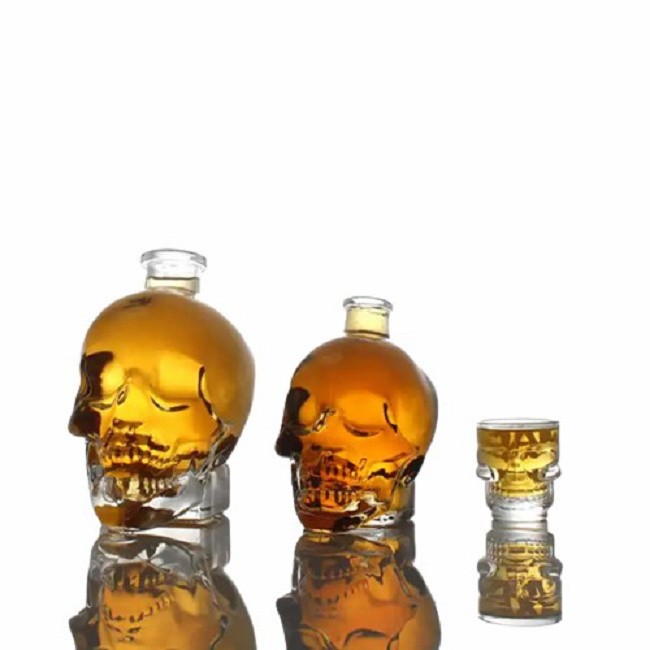
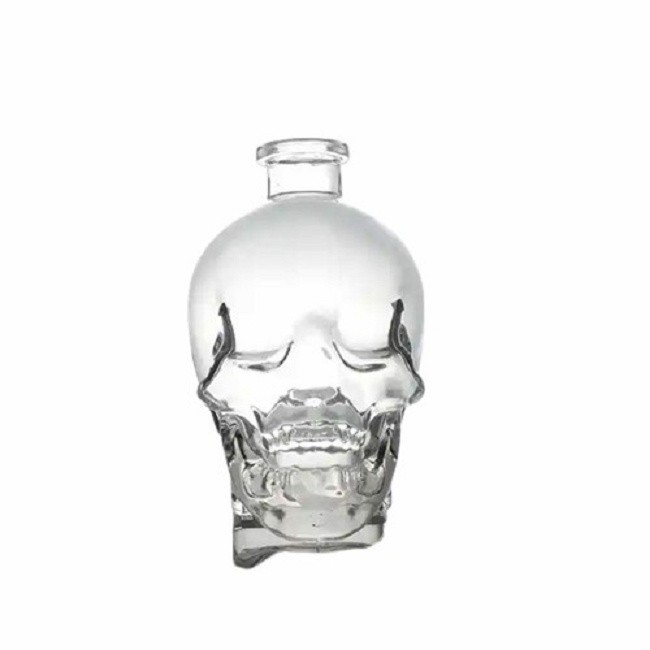
![Skull Vodka Bottle]() Skull Vodka BottleSkull liquor bottles, as the name suggests, are glass bottles shaped like human skulls.read more
Skull Vodka BottleSkull liquor bottles, as the name suggests, are glass bottles shaped like human skulls.read more -
![Big Bottle Of Vodka]() Big Bottle Of VodkaA big bottle of vodka, typically referred to as a "large format" or "bulk" bottle, usually contains a higher volume of vodka compared to standard-sized bottles, which are typically 750 milliliters.read more
Big Bottle Of VodkaA big bottle of vodka, typically referred to as a "large format" or "bulk" bottle, usually contains a higher volume of vodka compared to standard-sized bottles, which are typically 750 milliliters.read more


What is Vodka Bottle
A vodka bottle is a container used for storing and serving vodka, a popular distilled spirit made from grains or potatoes. The bottles can vary in size, shape, and design depending on the brand and type of vodka. Some vodka bottles are tall and slender, while others are short and wide. Many brands also feature unique bottle designs and sculptures to make their products stand out on the shelves.
Features of Vodka Bottle
High Chemical Stability
The glass material can well maintain the quality of the wine, will not chemically react with the wine, and will not have any impact on the taste, aroma, and ingredients of the wine. Moreover, the physical stability of glass wine bottles is also very high, and they are not prone to deformation, breakage and other safety issues.
Hygienic and Non-Reactive
The non-porous surface of the glass bottle prevents contamination and does not react with the contents.
Anti-Oxidation and UV Protection
The glass material has good anti-oxidation and anti-ultraviolet properties, which can well protect the stability and quality of the wine. Alcohol, aromatic substances, pigments and other ingredients contained in wine are easily affected by oxidation and ultraviolet rays, leading to a decline in the quality of the wine and loss of flavor. Choosing glass wine bottles for packaging can avoid these problems.
Strong Stain Resistance
Vodka Bottle is not easily contaminated by chemical substances and can well protect the aroma and taste of wine. In addition, because the surface of the glass wine bottle is smooth, it is not easy to collect dust or other debris, so it looks cleaner and hygienic.
Types of Vodka Bottle
The classic vodka bottle design is relatively simple, with a tall and straight shape. These bottles are often made from clear glass, which allows the colorless and transparent vodka inside to shine through. The labels tend to be simple and elegant, with minimalist typography and a focus on the brand's name. Classic bottles of vodka symbolize elegance and sophistication, and they are often used on special occasions.
Decorative vodka bottles are intricately designed and often feature elaborate details. These can include the use of colored glass, intricate patterns, etchings, or even gold-plating. Some decorative bottles are also shaped like unique objects, such as crystal skulls or crystal footballs. These vodka bottles are often used as decorative items or collectors' items, and they can make great gifts for special occasions.
The standard vodka bottle is the most common type of vodka bottle. It is cylindrical in shape and has a flat bottom. The bottle is usually made of glass and has a screw cap or a cork stopper. The standard vodka bottle is available in various sizes ranging from 50 ml to 1 liter. The most popular size is 750 ml, which is equivalent to one-fifth of a gallon. The standard vodka bottle is simple and elegant in design, and it is suitable for all occasions.
The flask vodka bottle is a unique type of vodka bottle that resembles a classic flask. It is usually made of glass or stainless steel and has a screw cap. The flask vodka bottle is available in various sizes, and it is perfect for outdoor events and travel. The flask vodka bottle is also a popular gift item, and it can be personalized with a name or a message.
Process of Vodka Bottle
Batching and Smelting
The main raw materials of vodka bottles are quartz sand, sodium carbonate and limestone. The proportions of these raw materials are precisely controlled and then heated in a boiler. The smelted raw materials will form a pure liquid glass. This deposition material can also add other auxiliary ingredients, such as yttrium oxide and iron oxide, to produce different colors at the melting temperature.
Making Bottle Molds
During the bottle manufacturing process, a bottle mold needs to be made. The shape and process of the mold determine the shape and size of the final bottle. The mold is made of metal and requires precise machining and surface treatment to ensure the accuracy and appearance of the bottle.
Blown Bottle
The molten glass is sucked out of the furnace and placed into shaping molds. The mold is inserted into a blower and heated by a flame, and air pressure is used to inject air into the bottle, causing the bottle to expand into the shape of the mold. Apply heat to the opening of the bottle and blow again to create the shape of the mouth and ears of the container.
Cool and Smooth
Once the complete bottle is made, it is placed on a cooling windowsill and then surface treated. The surface of the bottle is trimmed, polished and polished by moving the robotic arm to ensure a smooth surface.
Inspection and Acceptance
After the production steps are completed, the bottles are inspected by experienced bottle appraisers. They check the shape, size, appearance, clarity and quality of the bottles against specific criteria to ensure they meet the standards.
Packaging and Shipping
The vodka bottles must finally be packaged for shipment to various markets. Bottles can come in glass boxes or some other shape that better protects them, including plastic packaging. They are then transported to various sales points such as bars, supermarkets and Internet sales platforms for sale.
How to Choose Vodka Bottle
Price Point
The price of vodka varies widely, with bottles ranging from $10 to $100 or more. When choosing a vodka bottle, consider your budget, and decide how much you're willing to spend. Vodka can range in price due to factors such as production methods, ingredients used, and the brand you choose. Keep in mind that a higher price doesn't necessarily mean a better taste.


Brand
Choosing the right brand is also an essential factor in selecting a vodka bottle. Some brands are known for producing premium vodka, while others are known for their unique flavors. Popular vodka brands include Grey Goose, Belvedere, Absolut, and Smirnoff. Research different brands and their reputations to help make a decision.
Production
Learn about the production methods used in the manufacturing of the vodka. Some vodka brands use traditional methods, while others use modern technology to create their product. Traditional methods may include using wheat or potatoes, while modern methods may include using different grains or flavors. Research and compare different production methods to find the one that is right for you.

Flavor Profile
Consider the flavor profile you're looking for in your vodka bottle. Some vodkas are unflavored, while others may come infused with fruit, herbs, or even chocolate. Flavored vodkas are an excellent choice for mixing in cocktails, while unflavored vodka is best enjoyed straight or on the rocks.
Quality
When selecting a vodka bottle, consider the quality of the product. Higher quality vodka is typically made from better ingredients and goes through a more extensive distillation process. Look for brands that use high-quality ingredients and are well-rated by consumers to ensure you're getting a quality product.

Size
Finally, consider the size of the bottle you want to purchase. Vodka bottles come in different sizes, with the most common being 750ml, 1 liter, and 1.75 liters. Think about how much vodka you intend to consume and how long you want the bottle to last.
How to Clean Vodka Bottle
Empty the Bottle
If the vodka bottle is empty, start by removing any remaining alcohol. If you still have vodka in the bottle, pour it into another container so that you can clean the bottle properly.
01
Remove Labels
The next step is to remove any labels from the bottle. Some labels may peel off easily, but others may need to be soaked in warm water first. Soak the bottle in warm water for a few minutes until the label becomes loose, and then carefully peel it off.
02
Clean the Inside of the Bottle
Once the label is removed, it's time to clean the inside of the bottle. Fill the bottle with warm water and a few drops of dishwashing liquid. Use a bottle brush to scrub the inside of the bottle, paying special attention to any areas where there may be residue or build-up.
03
Rinse and Dry
After the inside of the bottle is clean, rinse it thoroughly with warm water to remove any soap residue. Shake the bottle to remove any excess water, and then set it upside down to dry.
04
Clean the Outside of the Bottle
The outside of the bottle can be cleaned with a damp cloth or sponge. If there are any stubborn stains or marks, you can use a little bit of baking soda on a damp cloth to scrub them away. Rinse the bottle with warm water and dry it with a clean towel.
05
Keep the Bottle in a Cool and Dry Place
If you want to keep your vodka fresh for a long time, then it’s important to store it in a cool and dry place. The ideal temperature range for storing vodka is between 0 to 4 degrees Celsius. Avoid storing your vodka bottle in direct sunlight or in a place where the temperature fluctuates frequently. This can cause the vodka to lose its flavor and quality.
Store the Bottle Upright
It is important to store the vodka bottle in an upright position. The reason for this is that vodka is a clear liquid and it can easily absorb flavors and smells from other objects around it. If you store the bottle on its side, the vodka will come in contact with the cork or the cap and can absorb flavors from it. This can affect the taste and quality of the vodka.
Keep the Bottle Tightly Sealed
Make sure to keep the vodka bottle tightly sealed. This will prevent air from entering the bottle and causing the vodka to oxidize. Oxidation can cause the vodka to lose its flavor and quality. Make sure to seal the bottle properly after every use.
Avoid Storing the Bottle For Too Long
While vodka can be stored for a long time, it is recommended to consume it within a reasonable period. Vodka does not mature or age in the bottle, unlike whiskey or wine. It is best consumed within the first year of opening the bottle. After that, the quality and taste of the vodka may start to deteriorate.
Don’t Refrigerate the Vodka Bottle
It is not recommended to refrigerate the vodka bottle. This is because refrigeration can cause the vodka to become cloudy. This does not affect the taste or quality of the vodka, but it can make it less aesthetically pleasing. If you want to chill your vodka, it is best to put it in a bucket of ice or a freezer for a short period.
Check For Any Changes in the Vodka
If you notice any changes in the color, taste, or smell of the vodka, it may be time to discard the bottle. Changes in the vodka can be an indication of contamination or oxidation, which can affect the taste and quality of the vodka.
Frequently Asked Questions
Q: What is the history behind vodka bottles?
Q: What are some common sizes for vodka bottles?
Q: What are the different shapes of vodka bottles?
Q: How is the labeling on vodka bottles regulated?
Q: How are vodka bottles designed to differentiate one brand from another?
Q: What materials are used to make vodka bottles?
Q: Why are vodka bottles usually clear or translucent?
Q: How are vodka bottles shipped and distributed?
Q: What are some unique or rare vodka bottle designs?
Q: How does the labeling on vodka bottles affect the pricing of the product?
Q: How has the design of vodka bottles changed over time?
Q: What are some popular vodka brands and their bottle designs?
Q: What is the process for bottling and packaging vodka?
Q: How are vodka bottle designs influenced by cultural and regional preferences?
Q: What are some common features of high-end vodka bottles?
Q: How are vodka bottles stored to preserve their quality?
Q: What are some eco-friendly solutions for vodka bottle packaging?
Q: What is the impact of packaging on a vodka brand's marketing strategy?
Q: How does the shape of a vodka bottle influence perception of the product's quality?
Q: What are the legal requirements for vodka bottle labeling and packaging?
As one of the leading vodka bottle manufacturers and suppliers, we warmly welcome you to wholesale high-grade vodka bottle in stock here from our factory. All customized products are with high quality and competitive price.