

Wine Bottle
Our company has 10 years of experience and specializes in glass packaging. We can help customers find packaging solutions that meet their specific needs, including custom design, branding and sustainability requirements. We offer flexibility in material selection, design and suppliers.
Rich Products
We can supply wine bottles, champagne bottles, perfume bottles, ice wine bottles, glass bottle labels, wine bottle labels, spirit glass bottles, olive oil bottles, screw caps, bottle stoppers and more.
Customizable
Our products can be OEM customized and we create the graphic elements of the packaging such as illustrations, images, patterns and text. And depending on the project, we may also be involved in the structural design of the packaging.
Quality Guaranteed
We have ISO9001 quality management system certification. we define and establish clear packaging material quality standards and specifications based on your needs . such as size, material,color, composition, printing quality, and more.
Leading Service
We complete the R&D, production, marketing, sales and technical support processes independently. Whether you want to buy champagne bottles or perfume bottles, just email your requirements and we can customize the product for you.
-
![Electroplating Liquor Glass Bottle]() Electroplating Liquor Glass BottleProduct information Introducing this electroplated wine glass bottle tailored for high-end wines, spirits, rum, gin and whiskey and other craft drinks. This product not only carries the ultimate...read more
Electroplating Liquor Glass BottleProduct information Introducing this electroplated wine glass bottle tailored for high-end wines, spirits, rum, gin and whiskey and other craft drinks. This product not only carries the ultimate...read more -
![Frosted Transparent Decorative Blown Fancy Wine Glass Bottle]() Frosted Transparent Decorative Blown Fancy Wine Glass BottleProduct information Introducing this frosted transparent decorative blown fancy wine bottle tailored for high-end wines such as wine, spirits, rum, gin and whiskey. Material and Craftsmanship...read more
Frosted Transparent Decorative Blown Fancy Wine Glass BottleProduct information Introducing this frosted transparent decorative blown fancy wine bottle tailored for high-end wines such as wine, spirits, rum, gin and whiskey. Material and Craftsmanship...read more -
![Shrink Wrap Glass Wine Bottles]() Shrink Wrap Glass Wine BottlesProduct information Introducing this glass bottle series tailored for high-end liquors such as wine, spirits, rum, gin and whiskey. This series not only carries the ultimate pursuit of quality,...read more
Shrink Wrap Glass Wine BottlesProduct information Introducing this glass bottle series tailored for high-end liquors such as wine, spirits, rum, gin and whiskey. This series not only carries the ultimate pursuit of quality,...read more -
![Fixed Size Liquor Bottle Special Bottle Type Seal Craft]() Fixed Size Liquor Bottle Special Bottle Type Seal CraftProduct information In the era of pursuing quality and individuality, our carefully crafted OEM/ODM high-end customized wine bottle series is designed for wine, spirits, rum, gin and whiskey...read more
Fixed Size Liquor Bottle Special Bottle Type Seal CraftProduct information In the era of pursuing quality and individuality, our carefully crafted OEM/ODM high-end customized wine bottle series is designed for wine, spirits, rum, gin and whiskey...read more -
![Vinegar Black Matte Bottle Glass]() Vinegar Black Matte Bottle GlassProduct information This glass bottle series is tailor-made for high-end liquors such as wine, spirits, rum, gin and whiskey. Using the advanced OEM/ODM (original equipment manufacturer/original...read more
Vinegar Black Matte Bottle GlassProduct information This glass bottle series is tailor-made for high-end liquors such as wine, spirits, rum, gin and whiskey. Using the advanced OEM/ODM (original equipment manufacturer/original...read more -
![Embossed Logo Decals Screen Printing Hot Stamping Deep Processing Technology]() Embossed Logo Decals Screen Printing Hot Stamping Deep Pr...Product information High-end fixed wine bottle series - A perfect combination of luxury and quality.This is a high-end wine bottle series, such as high-end wine, Lianjiu, Langjiu wine, Du Songzi...read more
Embossed Logo Decals Screen Printing Hot Stamping Deep Pr...Product information High-end fixed wine bottle series - A perfect combination of luxury and quality.This is a high-end wine bottle series, such as high-end wine, Lianjiu, Langjiu wine, Du Songzi...read more -
![750g Processed Custom Bottles]() 750g Processed Custom BottlesProduct Parameters Volumes:750ml Weight: 620g Material: glass Height: 310mm Diameter: 80mm Color: Tiffany blue, Flint Finish: Cork OEM/ODM: Yes MOQ: 200,003pcs, If in stock, any quantity is...read more
750g Processed Custom BottlesProduct Parameters Volumes:750ml Weight: 620g Material: glass Height: 310mm Diameter: 80mm Color: Tiffany blue, Flint Finish: Cork OEM/ODM: Yes MOQ: 200,003pcs, If in stock, any quantity is...read more -
![750g Processed Wine Bottles]() 750g Processed Wine BottlesProduct Parameters Volumes:750ml Weight: 580g Material: glass Height: 265mm Diameter: 87.8mm Color: Green, Flint Finish: Cork OEM/ODM: Yes MOQ: 200,002pcs, If in stock, any quantity is acceptable...read more
750g Processed Wine BottlesProduct Parameters Volumes:750ml Weight: 580g Material: glass Height: 265mm Diameter: 87.8mm Color: Green, Flint Finish: Cork OEM/ODM: Yes MOQ: 200,002pcs, If in stock, any quantity is acceptable...read more -
![750g Processed Red Wine Bottles]() 750g Processed Red Wine BottlesProduct Parameters Volumes:750ml Weight: 620g Material: glass Height: 300mm Diameter: 82.25mm Color: Red, Flint Finish: Cork OEM/ODM: Yes MOQ: 200,001pcs, If in stock, any quantity is acceptable...read more
750g Processed Red Wine BottlesProduct Parameters Volumes:750ml Weight: 620g Material: glass Height: 300mm Diameter: 82.25mm Color: Red, Flint Finish: Cork OEM/ODM: Yes MOQ: 200,001pcs, If in stock, any quantity is acceptable...read more -
![482g Wine Bottle]() 482g Wine BottleProduct Parameters Volumes:750ml Weight: 482g Material: glass Height: 300mm Diameter: 75mm Color: Antique green, Flint Finish: Cork OEM/ODM: Yes MOQ: 200,000pcs, If in stock, any quantity is...read more
482g Wine BottleProduct Parameters Volumes:750ml Weight: 482g Material: glass Height: 300mm Diameter: 75mm Color: Antique green, Flint Finish: Cork OEM/ODM: Yes MOQ: 200,000pcs, If in stock, any quantity is...read more -
![750g Wine Bottle]() 750g Wine BottleProduct Parameters Volumes:750ml Weight: 585g Material: glass Height: 305mm Diameter: 81mm Color: Antique green Finish: Cork OEM/ODM: Yes MOQ: 200,000pcs, If in stock, any quantity is acceptable...read more
750g Wine BottleProduct Parameters Volumes:750ml Weight: 585g Material: glass Height: 305mm Diameter: 81mm Color: Antique green Finish: Cork OEM/ODM: Yes MOQ: 200,000pcs, If in stock, any quantity is acceptable...read more -
![665g Flint Wine Bottle]() 665g Flint Wine BottleProduct Parameters Volumes:750ml Weight: 665g Material: glass Height: 306mm Diameter: 82.5-74.5mm Color: Antique green, Flint Finish: Cork OEM/ODM: Yes MOQ: 200,000pcs, If in stock, any quantity...read more
665g Flint Wine BottleProduct Parameters Volumes:750ml Weight: 665g Material: glass Height: 306mm Diameter: 82.5-74.5mm Color: Antique green, Flint Finish: Cork OEM/ODM: Yes MOQ: 200,000pcs, If in stock, any quantity...read more


What Is Wine Bottle
A wine bottle is a glass bottle that is specifically designed to hold wine. It typically has a cylindrical shape, a narrow neck, and a cork or screw cap closure. Wine bottles are available in different sizes, shapes, and designs, depending on the style and quality of the wine. The shape and color of the bottle also play a role in the wine’s aging and flavor profile.
Features Of Wine Bottle
Light Shielding
Wine is often bottled in dark-colored glass, such as green and brown, which helps protect the wine from light, which allows the grapes to degrade quickly. However, white and rosé wines are often bottled in flint glass, which shows the color of the wine and makes the color appear softer..
Strong Anti-Oxidation Performance
Wine Bottle can prevent wine from oxidizing inside the bottle, thus better protecting the quality and taste of the wine.
Compared to other materials , glass bottles do not produce any odors or chemical reactions, which helps preserve the taste and aroma of the wine.
Longer Bottleneck
Compared with other wine bottles, wine bottles usually have longer necks. This design makes it easier to pour wine into the glass bottle. It can better control the flow of wine and pour wine more accurately without spilling. , which is especially important for serving wine elegantly at social or formal occasions.
Deep Concave Bottom
Wine bottles usually have a deep concave bottom, which is both practical and beautiful. Not only does it increase the stability of the bottle, it also helps collect sediment produced during the aging process and prevents it from pouring out.
what are the accessories on wine bottles



corks
Traditional wine bottles are typically sealed with cork stoppers, which balance both air tightness and breathability, and come with a long history and cultural background. Common corks include natural corks, agglomerated corks, and synthetic corks. Natural corks are made from a single piece of cork bark (Quercus suber). They are sustainable materials. Agglomerated cork stoppers are made from granulated cork and are cheaper than natural cork stoppers. Synthetic cork stoppers are made from plastic or composite materials and serve as alternatives to natural cork stoppers.
screw cap
Screw caps, also known as Stelvin closures, have become increasingly popular in recent years. They are widely used in regions like New Zealand and Australia. Typically made from aluminum, screw caps provide a reliable seal, reducing the risk of wine spoilage due to cork taint or leakage. Screw caps come with different liner designs that allow for varying levels of oxygen ingress, similar to the breathability offered by different types of cork closures. Screw caps are particularly suitable for wines intended for early consumption.
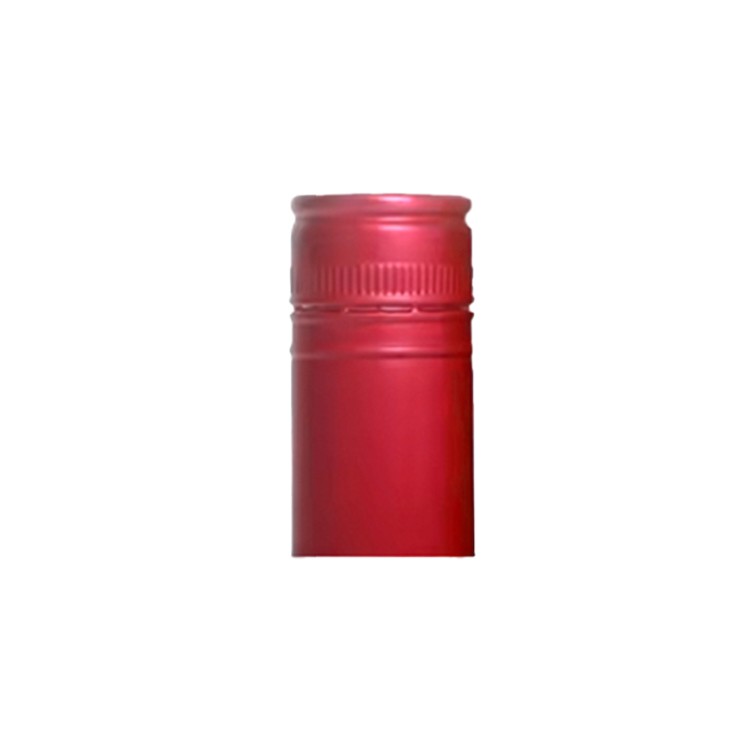
capsules or foil wraps.
labels
Wine labels are an essential component of wine packaging, providing not only basic information about the wine inside the bottle but also conveying the unique style and value of the winery. Wine labels are divided into traditional paper labels and decorative labels. Traditional wine labels are typically printed on paper or synthetic materials, with techniques such as embossing and foil stamping used to enhance visual appeal during the printing process. Newer decorative labels for wine are applied directly to the bottle through methods such as transfer printing or direct printing, achieving a decorative effect on the wine bottles.
Foil Capsules
Foil capsules provide protection for cork stoppers and the necks of wine glass bottles, preventing contamination and damage to wine during storage and transportation. Common materials for foil capsules include aluminum, tin foil, plastic, or other composite materials. Foil capsules can feature embossed patterns, logos, or text. Many wineries utilize custom-designed capsules to enhance their brand image.
types of wine bottles

Bordeaux Bottles
With its curved, high shoulder, tall profile and straight sides, Bordeaux bottles are most commonly used for red wines, such as Bordeaux, Merlot and Cabernet Sauvignon. White wines, such as Sauvignon Blanc, are also contained in these vessels. The sharp shoulder slope was believed to more easily capture sediment during pour.
Burgundy Bottles
Due to its ease of production, Burgundy bottles became a popular staple with wine makers. With a gently sloping shoulder, and wider body and base, Burgundy bottles are common for various types of both red and white varietals including Burgundy, Pinot Noir and Chardonnay.
Hock Wine Bottles/ Rhine Bottles
Hock Wine Bottles also called Alsace, Rhine, Mosel or Germanic bottle, Hock wine bottles were produced to hold white wines that were produced in the Alsace region of France and in Germany, such as Riesling and Gewürztraminer. The taller, sleeker design of these bottles features the steepest shoulder. It is believed that the taller, thinner design allowed ships to carry greater quantities of these bottles.
Champagne Bottles/ Sparkling Wine Bottles
Champagne bottles and sparkling wine bottles typically feature long necks and rounded bodies, with their bottoms often deeper than those of other wine bottles, and the glass walls are thicker. They require the use of specially designed stoppers to maintain pressure.
Ice wine bottle
Ice wine bottles typically feature a unique and elegant shape, with tall, slender bodies and short necks. This design sets them apart from other wine bottles, showcasing the rarity and high value of ice wine. Ice wine, known for its higher sweetness compared to regular red wine, requires thicker glass walls to withstand the pressure and weight of the concentrated liquid inside.
How to Choose Wine Bottle
Types and Capacities of Wine Bottles
First, you need to consider the type of wine. Different wines require different bottles. For example, long-necked bottles are often used for wine because they reduce exposure to oxygen and maintain the freshness of the wine. Beer bottles are shorter and wider because beer needs more bubbles and air circulation to enhance the taste.
Glass Bottle Necks and Mouths
The next consideration is the neck and mouth of the wine bottle. The length of the neck can impact the flavor of the wine; longer necks can extend the shelf life of the wine, while shorter necks can intensify the wine's flavor. The choice of mouth often depends on the wine's production method, type of product, and target consumer demographic. Traditional high-end wines typically opt for corks, while younger wines may consider screw cap bottles.
Materials and Quality
The third factor to consider is the material and quality of the wine bottles. The composition of glass plays a crucial role in its color and quality, while different manufacturing processes and inspection standards also have a significant impact on the quality of wine bottles. If you're unable to discern, our agents will inform you of the differences and help you select high-value wine bottles.
Customization
Lastly, some wineries aim to attract consumers and promote their brand by altering conventional bottle shapes or incorporating bottle engraving. They often opt for custom wine bottles, requiring higher minimum order quantities to meet production demands. For smaller wine productions, a similar effect can be achieved by using standard wine bottles paired with custom-designed labels or decorations.
Frequently Asked Questions
What is the most common type of wine bottle?
+
-
The most common wine bottle is the Bordeaux bottle, which is characterized by high shoulders and straight sides. It is used to serve red wine, especially from Bordeaux and other regions of France. It has high shoulders and a straight body. It is used to make wines such as Cabernet Sauvignon, Merlot and Sauvignon Blanc.
How many different bottle sizes are there for wine?
+
-
Wine bottles come in many sizes, from small to large. However, some of the most common sizes are Portion (1/4 bottle): 187.5 ml, Half bottle: 375 ml, Standard bottle: 750 ml Magnum: 1.5 liters (equivalent to 2 standard bottles), Jeroboam: 3 liters ( Equivalent to 4 standard bottles) etc.
What is the purpose of a punt at the bottom of a wine bottle?
+
-
A punt, also known as a pick-up, is a dimple in the bottom of a wine bottle. Its purpose is to provide stability and grip while pouring. It also increases settling by providing space for the solids to settle on the bottom away from the neck and cork, making it easier to decant. Some people also believe that the pan helps evenly distribute the pressure within the bottle, preventing the bottle from bursting when pressure changes.
What is a magnum bottle?
+
-
A magnum bottle is a large wine or champagne bottle that typically holds 1.5 liters of liquid, which is the equivalent of two standard wine bottles. Magnum bottles are often used for special occasions and celebrations and are popular among wine collectors and enthusiasts. The larger size of the bottle allows for slower aging and can often result in a more complex and nuanced flavor profile.
How should wine bottles be stored to maintain their freshness and taste?
+
-
Wine bottles should be stored horizontally in a cool, dark, and slightly humid place, ideally at a temperature between 50-55°F (10-15°C). This can be achieved by storing them in a wine cellar, cool basement, or a dedicated wine fridge. It is important to avoid storing wine in areas with fluctuations in temperature, as this can cause the wine to expand and contract, which may damage the cork and lead to spoilage.Additionally, wine should be kept away from light, as UV rays can cause it to deteriorate and lose flavor. Keeping the wine bottles in a dark location or using tinted glass bottles can help prevent light damage.Finally, excessive dryness can cause the cork to shrink, leading to air entering the bottle and spoiling the wine. A slightly humid environment, around 70%, can help prevent this
What is the difference between a cork and a screw cap wine bottle?
+
-
Cork and screw cap wine bottles differ in their closure system. Corks are made of tree bark and are inserted into the neck of the bottle with a corkscrew. They have been used traditionally for hundreds of years and can be seen as having a romantic connotation. Corks allow a small amount of oxygen to enter the bottle, which can help wine to age and mature. But if the cork is flawed, the wine may become ‘corked,’ meaning it takes on a musty or damp odor, and taste.
Can wine bottles be recycled?
+
-
Yes, wine bottles can be recycled. They are typically made of glass, which is a material that can be melted down and reused an infinite number of times without losing quality. Recycling wine bottles helps to conserve natural resources, save energy, and reduce waste. It is important to make sure that the bottles are clean and free of any food or liquid residue before recycling them.
What is a wine bottle label for?
+
-
A wine bottle label is used to provide important information about the wine contained in the bottle. This includes the name of the wine, the vintage, the grape variety or blend, the region in which the grapes were grown, the alcohol content, and the producer. The label may also include tasting notes, food pairing suggestions, and other marketing information. Additionally, some wine labels may have legal requirements such as warning labels or information about sulfites.
How long can a wine bottle be stored before it goes bad?
+
-
The answer to this question depends on several factors, including the type of wine, storage conditions and the quality of the wine. Generally speaking, most wines can be stored for 1-3 years before they begin to deteriorate, while some high-end wines can be stored for decades. However, it's worth noting that not all wine is suitable for long-term storage, and some may even start to go bad within a few months. To ensure your wine stays fresh and doesn't spoil, it's important to store it in a cool, dark place with consistent temperature and humidity.
Are there any wine bottles that are worth collecting?
+
-
Yes, there are many bottles worth collecting for their historical significance, rarity, and quality. Some examples include: Château Lafite Rothschild 1945 – Considered one of the greatest wines of all time. Domaine de la Romanée-Conti – Burgundy wine highly sought after by collectors. Château Margaux 1787 – One of the most expensive wines ever produced, the bottle is engraved with Thomas Jefferson’s initials.
What is the difference between a red and white wine bottle?
+
-
The color of the bottle usually indicates the type of wine inside. Red wine bottles are typically dark green or brown to protect the wine from light exposure, while white wine bottles are clear or light green to showcase the color of the wine. This is important because red wines contain tannins that can break down due to prolonged exposure to light, which can negatively affect the taste. White wines contain fewer tannins and are generally more delicate, so they can be stored in clear or light-colored bottles without affecting their quality.
What are some of the most expensive wine bottles in the world?
+
-
Screaming Eagle Cabernet Sauvignon 1992-2000 sold for $500,000. Romanée-Conti Grand Cru 1945 - 2018 sold for $558,000. Château Lafite Rothschild 1787-1985 sold for $156,000.
How can you determine the quality of a wine bottle by its label?
+
-
Producers and wineries: Reputable wineries generally produce higher quality wines than less well-known wineries. Appellation of Origin: Indicates where the grapes are grown and the wine is made. Many wine regions have strict regulations to ensure quality. Year: Indicates the year the grapes were harvested. Some years are better than others due to weather conditions. Types of grapes: Different grapes produce wines with different flavors and qualities.
Can wine bottles give off any special aromas?
+
-
Yes, wine bottles can give off special aromas from the wine contained within. Additionally, the cork or closure material used can also produce aromas. For example, cork can sometimes give off a musty or earthy scent, which can sometimes be an indication of cork taint. The label on the bottle may also produce scents from the ink used. However, these aromas are usually very subtle and only detectable when the bottle is very close to the nose.
What is the role of wine bottles in the wine-making process?
+
-
Wine bottles are used to store and distribute the finished product of the wine-making process. Once the wine has been fermented and aged, it is bottled to preserve its flavor and aroma. Wine bottles are essential in protecting the wine from light and air, which can affect its taste and quality over time. The type of wine bottle used can also influence the cellar potential of the wine, which means how long it can be aged. Additionally, wine bottles are often designed for branding purposes and can showcase the winery's unique image and style
How are wine bottles manufactured?
+
-
Wine bottles are mainly made of glass, and the manufacturing process includes: Preparation of glass mixture: Raw materials such as silica, soda ash, limestone and other additives are mixed together and melted in a furnace to form molten glass. Bottle forming: Molten glass is poured into a bottle forming machine to shape it into a bottle mold. Annealing: The newly formed bottle is heated to a high temperature and slowly cooled to eliminate internal stress and prevent cracking. Quality Control: Inspect finished bottles for defects such as cracks or bubbles, and eliminate any defects. Decoration: Bottles can be decorated with labels, screen printing or embossing. Packaging: The final product is boxed and shipped to its destination.
What is the most common shape for wine bottles?
+
-
The most common shape for wine bottles is the Bordeaux bottle, which has straight sides and a high-shouldered style.
How can the design of the wine bottle impact the taste of the wine?
+
-
Bottle cap: The design of the bottle cap (such as cork or screw cap) affects how much air and moisture can penetrate into the bottle. This affects the aging process of the wine, which in turn affects the taste. Shape: The shape of the bottle affects the amount of oxygen that comes into contact with the wine. Bottles with narrow openings or long necks may restrict the flow of oxygen and reduce oxidation of the wine, thereby preserving some flavors and aromas. Color: The color of the wine bottle affects the aging process of the wine. Dark bottles block more light and slow down the oxidation process, helping to preserve the flavor and aroma of the wine. Label: The design of a label can influence people’s perceptions and expectations of a wine. Research shows that labels can influence our sensory experience and even our enjoyment of wine.
What are some tips for opening a wine bottle without it breaking?
+
-
Use a wine opener: A wine opener is a tool developed specifically for opening wine bottles. There are many types of wine openers, and you should choose the one that works best for you. Check the cork: Check the cork before opening the bottle. If it is damaged, broken, or too dry, it may be difficult to remove the cork without destroying it. Slightly warm: You can use a hot towel or place the bottle in warm water for a few minutes. The heat causes the cork to expand, making it easier to pull out. Be gentle: When handling the bottle, make sure not to shake it too much, as this can disturb the sediment and cause it to mix with the wine. Twist and Pull: Place the corkscrew on top of the cork and slowly twist until inserted. Then gently pull upward until the cork comes out. Use a wine key: A waiter's corkscrew or wine key is a tool that combines a corkscrew and a pocket knife. It is frequently used by wine professionals. Hold the bottle firmly: Hold the bottom of the bottle firmly.
What materials are commonly used to make wine bottles?
+
-
Glass is the most common material used to make wine bottles. Other materials such as plastic, aluminum, and stainless steel are sometimes used for specific types of wine, such as portable or single-serving options. However, glass remains the primary material for traditional wine bottle。
As one of the leading wine bottle manufacturers and suppliers, we warmly welcome you to wholesale high-grade wine bottle in stock here from our factory. All customized products are with high quality and competitive price.