

Organic glass (PMMA) is a high-performance transparent plastic material due to its excellent transparency, weather resistance, processability and relatively light weight. It occupies an important position in industrial areas such as building decoration, advertising and display, craft production and so on. Thermoforming engineering is one of the key technologies in organic glass processing, which can create various repetitive and elegant curved shapes, greatly expanding design possibilities. This article aims to provide an in-depth analysis of the thermal engineering process of organic glass products and explore its special considerations.
Heat bending engineering flow process analysis
Preliminary preparation
Material selection and testing: Select suitable organic glass plate material based on product requirements, and check its transparency, surface quality and dimensional accuracy. PMMA sheets with different brands and thicknesses have differences in thermal bending performance, so they need to be carefully differentiated
Tool design and manufacturing: Based on the product design paper, precisely design and manufacture the thermal bending tool. The mold has good heat conductivity, heat resistance and corrosion resistance, ensuring shape stability and precision during the heating process.
Heating stage
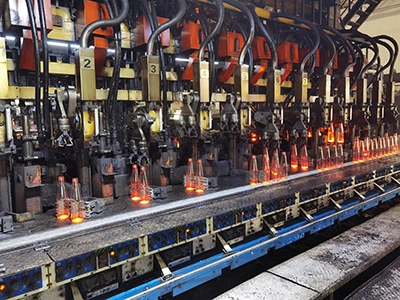
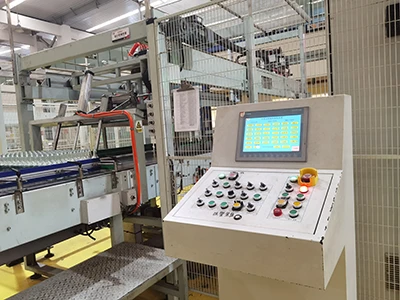
Heating equipment selection: Use professional heating equipment such as a heating fan or hot air gun to ensure even and controllable heating. Heaters are usually equipped with a temperature control system, allowing you to precisely set and maintain the heating temperature.
Temperature control
Based on the material, thickness and shape of PMMA plate, set appropriate heating temperature and time. Generally speaking, the heating temperature is high enough to transform PMMA into glass, but low enough to prevent it from burning or changing shape.
Heating process monitoring: Monitor temperature changes during the heating process using tools such as a red external temperature gauge to ensure uniform heating and avoid localized overheating.
Forming and cooling
Rapid forming: When the PMMA sheet reaches a softened state, it can be quickly and steadily formed into a mold. Maintain appropriate pressure and speed during the forming process to prevent uneven deformation of the plate material under the effect of gravity.
Cooling process: After molding is completed, the product is immediately transferred to the cooling device for rapid cooling. During cooling, excessive cooling can induce internal force concentration, affecting product performance; excessive cooling can cause changes in product shape. Subsequent treatment
Force extinguishing
For large or flammable products, it may be necessary to continue with force extinguishing treatment to eliminate internal forces and improve product stability and durability.
Surface treatment: Based on product requirements, surface treatment such as polishing and shining is carried out to provide high-quality products with a clean and beautiful surface.
Special Precautions
Understand material properties: Deeply understand the thermal, mechanical and chemical properties of PMMA material, so as to make accurate judgments and adjustments during the heating process.
Precise temperature and time control: Small changes in heating temperature and time can affect the heating results, so a precise temperature control system and measuring clock are required.
Tool design and manufacturing precision: The precision of the tool directly affects the shape precision and surface quality of the product, which requires the use of high-precision processing equipment and manufacturing processes.
Safety protection measures: Effective safety protection measures must be taken to protect against high temperatures and harmful gases produced during the heating process, such as wearing protective clothing, gloves, eyewear, etc., and ensuring good ventilation in the work area.
Quality control and testing: Proper quality control and testing of products after heating, including size measurement, shape inspection, surface quality evaluation, etc., to ensure products meet design requirements.
Conclusion
The thermoforming process of organic glass products is a highly specialized and technology-intensive processing process that requires operators to equip themselves with a wealth of professional knowledge and practical experience. Through precisely controlling the heating temperature and time, selecting suitable tools and adopting effective safety protection measures, it can produce organic glass products with excellent shape and quality. At the same time, with the continuous progress of technology and the continuous development of the market, the application prospects of hot technology in the organic glass processing field are becoming increasingly broad.