Three-view modeling method
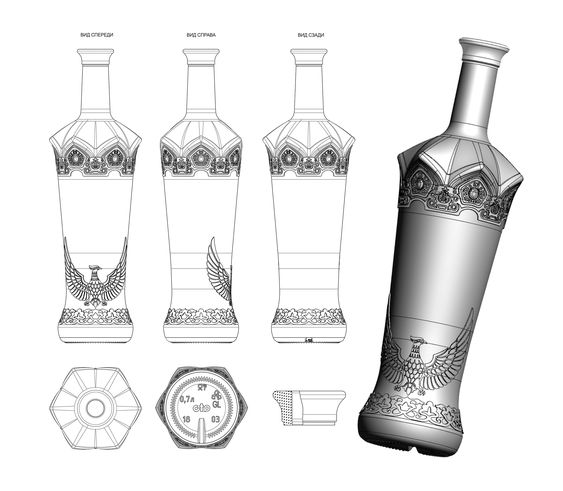
Three-view modeling method is widely used in modern society. It is used in container modeling design, product design, computer-aided design and other fields. It can form a sound and intuitive spatial concept. The three views include the front view, side view and top view of the packaging modeling. The three-view modeling method can determine one view unchanged on the basis of the existing container modeling, and change the other views to produce modeling changes. In order to achieve a more intuitive feeling of the three angles of the object, thereby shaping the overall perception of the object, but attention should be paid to the overall coordination with the other view lines, that is, the overall modeling effect and production feasibility of the combination of the main, side and top views. The three-view modeling method can change the container modeling in the overall or local angle while preserving the original modeling characteristics, and then conduct in-depth design based on this to achieve the final effect~
Baseline modeling method
For serialized packaging design, its packaging modeling must have obvious "commonality" and recognizable "individuality". Baseline modeling method is an orderly modeling method, which is a design method that effectively solves the contradictions and conflicts between the commonality and individuality of packaging containers. It is generally divided into horizontal baseline and vertical baseline modeling methods.
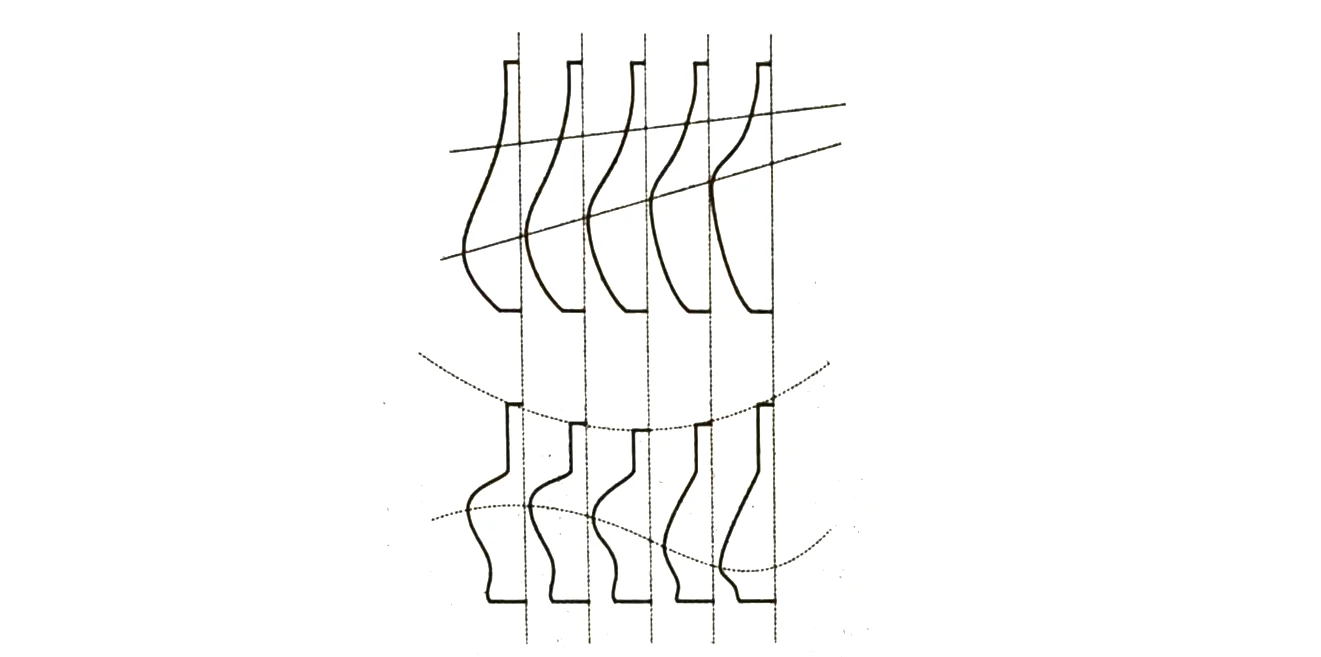
The horizontal baseline modeling method uses the principle of similarity to analyze the main morphological characteristics of the selected or designed packaging container, find the key structural points of the shape line (such as the tangent point of the arc), and determine several symmetrical horizontal radial lines according to the key points that constitute the main shape line of the packaging container. Then, according to the required various different loading quantities, the radial lines are segmented and modeled according to the original shape line.
In short, the horizontal baseline modeling method is a simple and effective design technique that can help designers better control the page layout and element arrangement, and achieve the unity and coordination of the design. At the same time, this approach can also improve the readability and visual effects of the page, making the design work more professional and attractive.
vertical reference line modeling method.
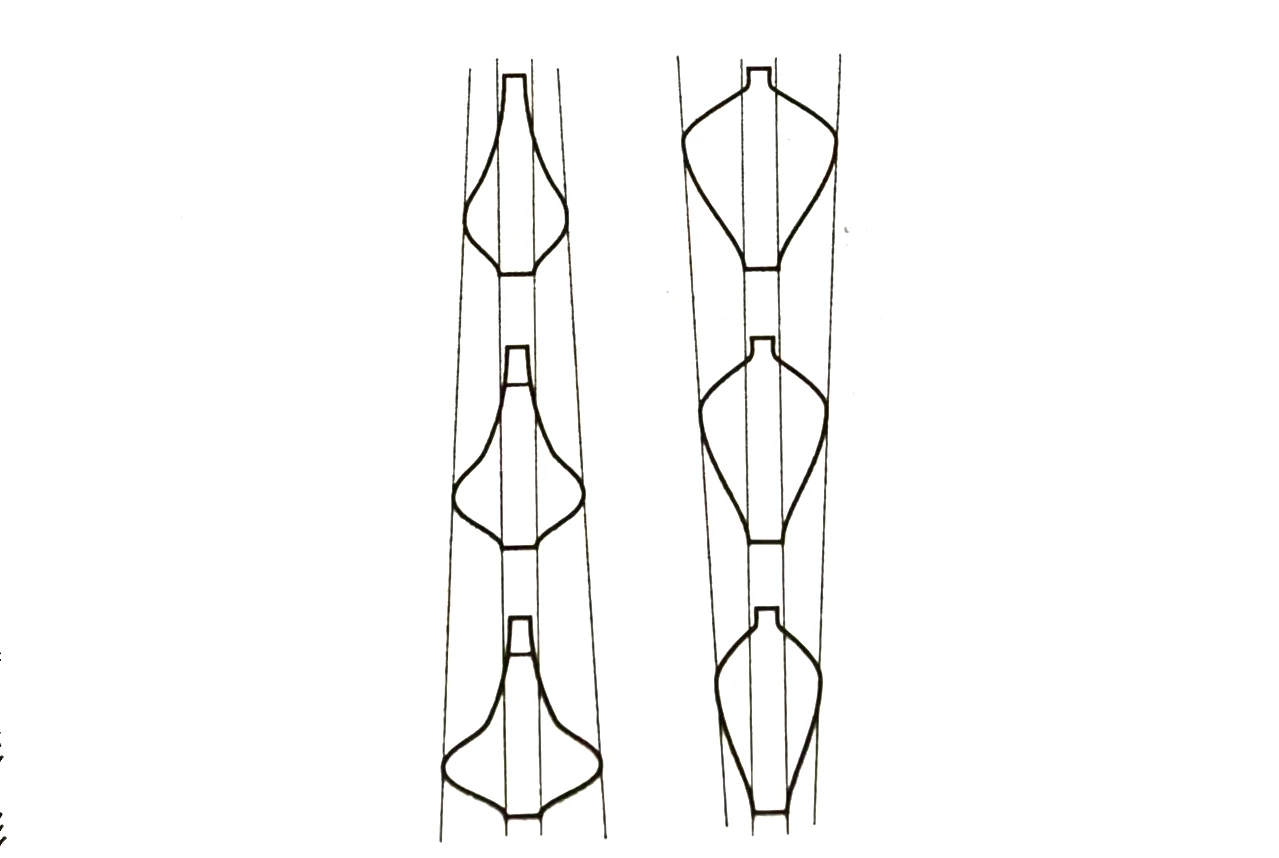
The vertical reference line modeling method is to first select or design a relatively satisfactory original basic bottle shape, and then draw several central axes of the bottle shape at equal distances. Then find the key shape line nodes or tangent points on the original basic bottle shape, and make a certain oblique straight line, curve, or a combination of several curves and straight lines and broken lines from this point (or several points). You can choose to use the method of equal distance or series gradient distance to set the appropriate modeling.
Determine the vertical reference line: In the design or manufacturing process, you first need to determine one or more vertical reference lines. These reference lines will serve as the main reference for subsequent operations.
The selection of vertical reference lines is usually based on design requirements, structural stability or functional considerations.
Operations based on vertical reference lines: Once the vertical reference lines are determined, subsequent design, measurement, cutting, positioning and other operations will be based on these reference lines.
For example, in clothing modeling, vertical reference lines may be used as reference references for circumference scaling during pattern scaling to ensure that the size and shape of the garment pieces in the vertical direction are accurate.
Ensure verticality: When using vertical reference lines for modeling, you need to ensure the verticality of the operation, that is, to ensure that the lines, structures or components are perpendicular to the reference lines.
This can be achieved by using professional tools (such as squares, vertical meters, etc.) or using the vertical alignment function in the software.
Note: When using the vertical datum line modeling method, you need to pay attention to the issues of accuracy and consistency. Any slight deviation may have a significant impact on the final result.
In addition, it is necessary to select appropriate tools and materials according to the specific application scenario to ensure the smooth operation and the quality of the final result.
In summary, the vertical datum line modeling method is a design or manufacturing method based on the vertical line as a reference or reference line. By determining the vertical datum line, operating based on the datum line, ensuring verticality, and paying attention to issues such as accuracy and consistency, an accurate and efficient design or manufacturing process can be achieved.
Destructive modeling method
The destructive modeling method is mainly carried out on geometric blocks, similar to the carving technique, using subtraction for modeling design. Destructive modeling of overly clumsy parts on packaging containers can achieve visual balance and beauty. It is generally divided into three modeling techniques: body cutting, body penetration and body displacement.
Body cutting can obtain different forms of modeling on a basic block according to differences in cutting points, angles, sizes, depths, quantities, etc., such as cutting the edges of the block or cutting and modifying the edges.
Body penetration is to make a concave cut on the basic block to obtain an asymmetrical and balanced beauty that can be observed from multiple angles. It should be noted that when using the body penetration technique, the penetrated part should not be too large or too much, so as to give people a simple, bright and strong overall feeling. This design is mostly used for large-capacity and large-volume packaging, breaking the overly thick basic structure. The inner and outer contours of the shape can give people a transparent, smooth, simple and bright unified feeling.
The displacement of the body is to use a certain part of the container as a reference, and the other parts are offset at an angle based on this standard. This can obtain the contradictory visual experience of hard materials and soft lines, so that the container has a strong sense of rhythm, but it should be noted that the displacement angle should not be too large.
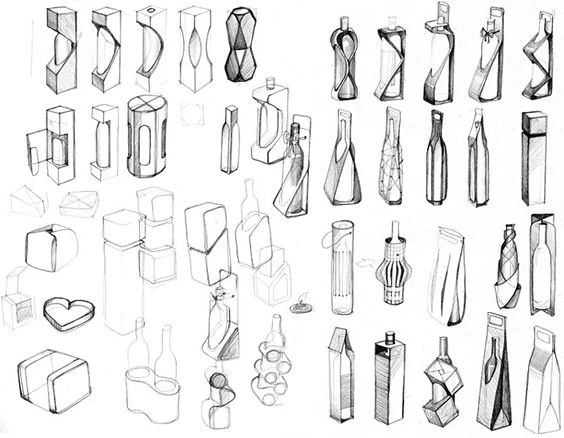
1. Definition and characteristics of destructive modeling method
Destructive modeling method refers to the intentional destruction of the original form through methods such as reduction, segmentation, deconstruction and reorganization in design to form an incomplete and incomplete form. This method pursues the reverse aesthetic taste, forms a unique visual experience, and attracts the viewer's attention.
2. Classification and application of destructive modeling method
Reduction: In plane composition, reduction means that when two or more basic shapes intersect, the default basic shape in front is not drawn, and only the latter part is retained. This method can highlight the subject and enhance the visual impact.
Segmentation: Segmentation is very common in daily life, such as the division of living areas in home decoration, the proportional equal division of spaces of different book sizes on bookshelves, etc. In design, segmentation can break the original structure and form a new visual effect.
Deconstruction and Reconstruction: Deconstruction and Reconstruction is to disassemble the original form and then reassemble it into a new form. This method can create a new visual effect and feeling, making the design more innovative and artistic.
3. The significance and value of destructive modeling
The destructive modeling method breaks the conventional and traditional aesthetic concepts and pursues unique visual feelings and aesthetic tastes to make the design more innovative and artistic. At the same time, this method can also enhance the visual impact and expressiveness of the design and attract the attention of the viewer. In modern design, destructive modeling has become an important design technique and is widely used in various fields.
In short, destructive modeling is a creative and artistic design technique that creates new visual forms and feelings by destroying, deconstructing and reorganizing the original form. The flexible use of destructive modeling in design can make the design more innovative and artistic, while enhancing the visual impact and expressiveness of the design.
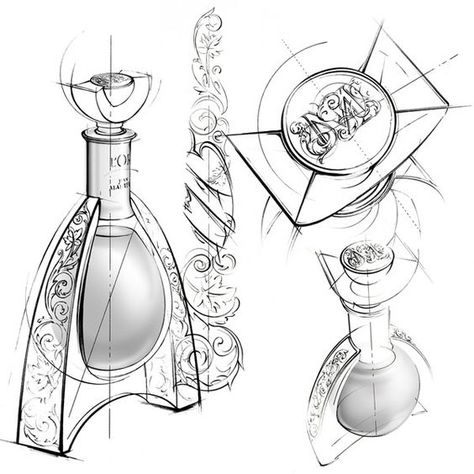
Combination modeling method
Combination modeling method is equivalent to clay modeling, using addition for modeling design. When the container shape is too thin or boring, it is most appropriate to use combination modeling method, which is generally divided into four types: block combination, decorative combination, texture combination and additional combination.
Block combination is two or more basic blocks, which are combined in direction, size, quantity, position and other aspects according to the design concept to produce different three-dimensional forms.
Decorative combination is to apply point, line, surface decoration or add some decorative patterns to the surface of the modeling body to produce rich and varied visual experience. When designing, according to the principles of practicality and aesthetics, the thickness, concave and convex, size, direction, position, density, straightness, quantity, type and other aspects of the decorative elements are selected to beautify the shape of the packaging container while taking into account the comfort of the hand. The texture combination design belongs to a special type of decorative combination, which is generally divided into tactile texture and visual texture. Tactile texture can not only produce visual touch, but also can truly feel the unevenness of the surface of the object and the thickness of the texture through touch. Visual texture can only be felt through vision, such as painted wood grain, printed patterns, etc. Texture is a method often used in packaging container technology. It has a vague, implicit and even mysterious feeling, which can stimulate people's rich imagination. It not only strengthens the individual expression of the container shape, but also increases the friction coefficient to prevent the container from falling and breaking due to hand slip.
The combination of attachments is to add other decorative parts to the container shape, which plays a finishing touch and makes the container shape more colorful. For example, small tags, knots, ribbons, metal chains, etc. The attachment serves the main body and cannot take the place of the main body. The material, shape, quantity, and other factors of the attachment should be considered comprehensively, and it needs to be coordinated and unified with the main body.
Mimetic modeling method.
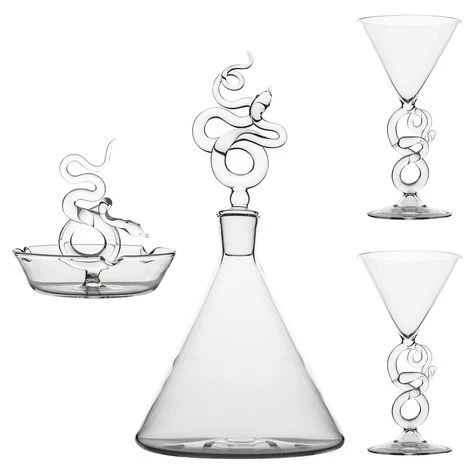
Mimetic modeling is a design method for packaging container modeling, that is, directly imitating the morphological characteristics of natural organisms, plants and people, making the container modeling more vivid and image-oriented, enhancing the image and visual effect of the goods inside, so as to attract potential consumer groups. The charm of mimetic modeling lies in the creative simulation of familiar life prototypes after summarizing and refining, breaking the commonplace container modeling characteristics, playing an unexpected visual effect, and making consumers feel close and the urge to buy.
The principle of mimetic modeling provides a good help for reflecting the colorful real life and enriching and improving the design and expression ability of packaging containers. There are thousands of forms of things in nature, which can give people beautiful visual enjoyment. When modeling containers, you can get inspiration from the forms of things in nature. In the mimetic modeling method, you should deeply observe the form of the simulated object, grasp its main morphological characteristics, ignore unnecessary details to avoid visual cumbersomeness, and at the same time integrate the concept of practical value of the container into it, and strive to achieve the best effect of organic integration of practicality and modeling beauty.
Here are a few key features of mimetic modeling:
Natural inspiration: Mimetic modeling seeks inspiration from nature, extracting design elements by observing the structure, texture and dynamic characteristics of natural forms such as organisms, plants and animals.
Morphological simulation: Designers will use various design techniques, such as morphological exaggeration, simplification, abstraction, etc., to simulate the characteristics of natural forms. This simulation is not limited to the appearance, but also includes the simulation of structure, texture and dynamics.
Emotional resonance: Mimetic modeling seeks to resonate with nature emotionally. Designers simulate natural forms to convey the emotional information such as vitality, vitality, harmony, etc. contained in nature, and establish an emotional connection with the audience.
Practicality and artistry: While focusing on formal beauty, mimetic modeling also emphasizes practicality and functionality. Designers need to ensure that the work is not only beautiful, but also meets the needs of use and has good practical performance.
Interdisciplinary application: Mimetic modeling is not only used in traditional design fields such as product design, architectural design, environmental design, etc., but also widely used in emerging fields such as digital art and interactive design. This interdisciplinary application brings more innovation and possibilities to the design field.